samsung note7 stands as a pivotal moment in smartphone history, intertwining groundbreaking technology with unexpected challenges. Released with cutting-edge features and innovative design, the Note7 quickly captured the attention of tech enthusiasts and consumers alike. With its stunning display, advanced camera capabilities, and powerful battery, the device seemed poised for success, but beneath the surface lay a storm that would reshape the industry.
The Note7’s journey began with high expectations, showcasing features that promised to elevate mobile experiences. However, this excitement was overshadowed by a series of events that led to one of the most significant recalls in tech history, prompting discussions about safety and corporate responsibility.
History of Samsung Note7
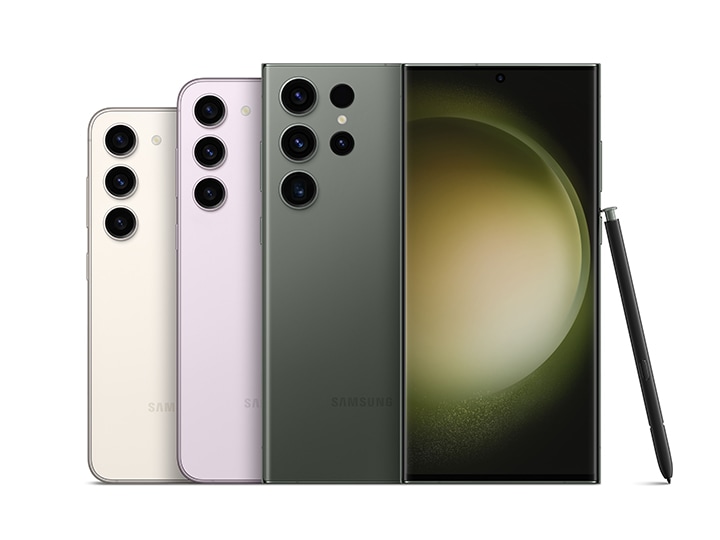
The Samsung Note7, launched in August 2016, marked a significant evolution in the Galaxy Note series, further establishing Samsung’s presence in the premium smartphone market. This model was anticipated for its innovative features and designs that aimed to enhance user experience, but it soon became infamous for safety issues.
The development of the Samsung Note7 began soon after the release of the Galaxy Note5 in 2015. Samsung’s aim was to create a device that not only improved functionality but also combined aesthetics with powerful performance. The Note7 was designed to compete directly with Apple’s iPhone 7, emphasizing features that catered to creative professionals and technology enthusiasts.
Major Features of Samsung Note7
The Samsung Note7 came with several distinctive features that set it apart from its predecessors and contemporaries. Understanding these features provides insight into what made the device innovative for its time.
- Infinity Display: The Note7 introduced a 5.7-inch Super AMOLED display with a curved edge, offering a more immersive viewing experience and a sophisticated design that followed the trend initiated by the Galaxy S7 Edge.
- Improved S Pen: The S Pen was refined with a finer tip and enhanced pressure sensitivity, allowing for greater precision in drawing and note-taking. Additionally, it was water and dust resistant, a first for the series, which appealed greatly to users in varied environments.
- Dual-Edge Design: The aesthetic appeal of the dual-edge design not only added elegance but also functionality, as users could access quick tools and notifications from the edge screen.
- Enhanced Security: Samsung included an iris scanner for biometric security, providing an additional layer of protection that was innovative for smartphones at the time.
- Camera Capabilities: The rear camera boasted a 12MP dual-pixel sensor, which allowed for exceptional low-light performance and fast autofocus, catering to photography enthusiasts.
- USB Type-C Port: This marked a transition to a faster charging and data transfer standard, aligning the device with modern tech trends and improving overall usability.
The initial reception of the Samsung Note7 was overwhelmingly positive, with tech experts and consumers praising its design, display, and functionalities. Reviews highlighted the device’s premium build quality and cutting-edge features, noting that it was one of the best smartphones available at launch. Notable tech publications commended its camera performance and multitasking capabilities, making it a favorite among business professionals and creatives alike.
However, this positive reception was short-lived as reports of battery malfunctions began to surface shortly after its release. This unforeseen issue led to significant public relations challenges for Samsung and ultimately resulted in a global recall of the device.
Technical Specifications of Samsung Note7
The Samsung Galaxy Note7, launched in 2016, represented a significant leap in smartphone technology, featuring cutting-edge specifications and innovative design. This device was designed to cater to both professionals and casual users, offering robust performance, an impressive camera setup, and advanced battery technology. Below is a detailed breakdown of the technical specifications and hardware components that made the Note7 stand out in its era.
Hardware Components
The Samsung Note7 was equipped with several high-end hardware components that contributed to its performance and user experience. Below are the key specifications:
- Display: 5.7-inch Super AMOLED, 1440 x 2560 pixels resolution, providing vibrant colors and deep blacks.
- Processor: Qualcomm Snapdragon 820 or Exynos 8890 (depending on the region), both ensuring swift performance and multitasking capabilities.
- RAM: 4 GB, facilitating smooth operation of applications and services.
- Storage: 64 GB internal storage, expandable via microSD up to 256 GB, allowing users to store ample multimedia content.
- Operating System: Android 6.0.1 Marshmallow, upgradeable to later versions with Samsung’s custom interface.
- Water and Dust Resistance: IP68 rating, allowing for immersion in water up to 1.5 meters for 30 minutes.
Camera Capabilities
The camera system of the Samsung Note7 was one of its most impressive features, designed to compete against other flagship devices released in the same year, such as the iPhone 7 Plus and Google Pixel.
- Rear Camera: 12 MP with Dual Pixel technology, allowing for faster autofocus and excellent low-light performance. The lens aperture was f/1.7, which contributed to brighter images.
- Front Camera: 5 MP with an f/1.7 aperture, ensuring high-quality selfies even in challenging lighting conditions.
- Image Processing: The Note7’s camera utilized advanced image processing algorithms that enhanced color accuracy and sharpness.
- Video Recording: Capable of recording 4K video at 30fps, alongside features such as optical image stabilization (OIS) for smoother footage.
In comparison to the iPhone 7 Plus, which featured a dual-camera system, the Note7 delivered competitive image quality and versatility, particularly in low-light scenarios. The Google Pixel, known for its exceptional software-based photography, matched the Note7 in still photo quality but lacked the advanced optical stabilization offered by Samsung.
Battery Technology
The Samsung Note7 introduced innovative battery technology, which was a significant point of focus given the device’s eventual recall due to battery issues. The Note7 housed a 3,500 mAh battery, designed to support the demands of its high-resolution display and powerful hardware.
“The battery technology used in the Samsung Note7 was advanced, featuring fast charging capabilities that allowed users to charge the device quickly.”
- Fast Charging: Supported both wired and wireless fast charging; users could charge up to 50% in just 30 minutes.
- Battery Management: Integrated software optimizations assisted in extending battery life during daily usage.
- Battery Safety Features: Originally designed with multiple safety checks, the Note7 aimed to ensure user safety, but ultimately faced challenges leading to its recall.
The combination of fast charging and battery management contributed positively to the user experience, allowing for extended usage throughout the day. However, issues with the battery’s physical design led to overheating incidents, prompting significant scrutiny and eventual discontinuation of the device.
The Recall Crisis of Samsung Note7
The Samsung Galaxy Note7 was launched amidst great anticipation in August 2016, but the excitement quickly turned to turmoil as a series of battery-related incidents led to one of the most significant product recalls in tech history. This crisis not only shook Samsung’s foundation but also raised critical questions about safety protocols in the industry.
The sequence of events leading to the recall began with reports of overheating and exploding batteries shortly after the device’s release. Initial incidents emerged in late August, where users reported their phones catching fire while charging. In response, Samsung issued a voluntary recall on September 1, 2016, urging customers to return their devices for a replacement. However, after the replacement units were released in late September, new incidents were reported, prompting Samsung to halt sales and recall all Galaxy Note7 devices globally on October 11, 2016. This unprecedented action resulted in a staggering 2.5 million units being recalled.
Samsung’s Response Strategy During the Crisis
Samsung’s response strategy to the recall was multi-faceted and aimed at regaining consumer trust. The company implemented the following key actions:
- Immediate Recall: Samsung acted swiftly by issuing a global recall and halting production, demonstrating a commitment to customer safety.
- Transparent Communication: Samsung maintained open lines of communication, providing regular updates through press releases and social media to inform customers about the recall process and safety measures.
- Compensation Offers: To encourage exchanges, Samsung offered incentives such as refunds and credits for future purchases, making it easier for customers to comply with the recall.
Despite these efforts, the damage was significant. The recall led to a loss of consumer confidence, with many questioning Samsung’s quality control and safety measures.
Impact on Samsung’s Brand Reputation and Market Performance
The fallout from the Galaxy Note7 recall had profound implications for Samsung’s brand reputation and market performance. Many consumers lost faith in the Samsung brand, leading to a decline in sales across its device portfolio.
Several factors contributed to this decline:
- Market Share: Samsung’s market share in the smartphone sector fell, as competitors like Apple and Huawei capitalized on the crisis to attract disillusioned customers.
- Financial Losses: The estimated financial impact of the recall was around $5 billion, reflecting both direct costs from the recall and the long-term effects on sales and marketing.
- Reputation Damage: The recall tarnished Samsung’s reputation for innovation and reliability, issues that would take years to mitigate as the company worked to rebuild trust with consumers.
The Note7 crisis is a cautionary tale in the tech industry, illustrating the importance of product safety and the potential repercussions of lapses in quality control.
“The Note7 crisis serves as a reminder that even established brands can falter when safety standards are compromised.”
Legacy and Impact of Samsung Note7
The Samsung Note7 incident left a notable mark on the smartphone industry, reshaping safety standards and influencing design protocols. As one of the most significant product recalls in tech history, it prompted a reevaluation of how manufacturers approach battery technology and consumer safety. The repercussions of this crisis extended beyond Samsung, affecting the entire smartphone market and leading to a more cautious approach towards device safety.
Long-term Effects on Smartphone Safety Regulations
The Note7 recall catalyzed a series of changes in safety regulations across the tech industry. Notably, manufacturers began to adopt stricter testing procedures and protocols for battery safety. The impact of the Note7 incident can be encapsulated in several key areas:
- Enhanced Battery Testing Standards: Regulatory bodies, including the Underwriters Laboratories (UL), introduced new safety testing criteria for lithium-ion batteries, ensuring they undergo rigorous assessments before approval.
- Increased Transparency: Companies became more transparent about their testing methods and the materials used in production, fostering consumer trust and accountability.
- Improved Crisis Management Protocols: Firms established more robust strategies for product recalls and crisis communication, prioritizing consumer safety and maintaining brand integrity during emergencies.
- Collaboration among Manufacturers: The industry saw increased collaboration to share best practices and findings related to battery safety and technology advancements.
Lessons Learned by the Industry, Samsung note7
The Samsung Note7 incident served as a cautionary tale, imparting critical lessons to manufacturers regarding product development and safety. These lessons include:
- Prioritizing Safety Over Innovation: The rush to deliver cutting-edge technology should not compromise safety protocols. Companies learned the importance of balancing innovation with consumer safety.
- Thorough Quality Assurance: The significance of comprehensive quality assurance processes was highlighted, reinforcing the necessity for frequent evaluations during all stages of production.
- Consumer Communication: Effective communication with consumers during crises is essential. The Note7 recall illustrated the importance of timely and accurate information dissemination to manage public perception and restore confidence.
- Thorough Risk Assessment: Companies recognized the need for more extensive risk assessments that include potential safety hazards in design and manufacturing processes.
Influence on Subsequent Samsung Models
The lessons learned from the Note7 experience significantly influenced the design and development of subsequent Samsung devices. Notable changes included:
- Galaxy S8 and Note8 Design Improvements: The Galaxy S8 and Note8 saw enhanced battery safety features, including a dual battery cell structure that provided redundancy and minimized the risk of overheating.
- Revised Testing Procedures: Samsung implemented an eight-point battery safety check for its devices, including assessments of battery design, durability, and performance under stress.
- Consumer Engagement Initiatives: Samsung increased its consumer engagement initiatives, focusing on ensuring customers feel safe and informed about their devices.
- Increased Collaboration with Third-party Experts: Collaborations with independent testing organizations became standard practice, enabling a more rigorous evaluation of products before market release.
“The Samsung Note7 incident transformed the smartphone industry, leading to a culture of prioritizing safety alongside innovation.”
FAQs
What were the main features of the samsung note7?
The samsung note7 featured a 5.7-inch Super AMOLED display, advanced camera systems, an S Pen stylus, and enhanced security options like iris scanning.
Why did the samsung note7 face a recall?
The samsung note7 faced a recall due to battery issues that caused some devices to overheat and catch fire, leading to safety concerns.
How did the recall impact samsung’s reputation?
The recall significantly impacted samsung’s reputation, causing a decline in consumer trust and financial losses, but the company worked hard to recover and regain public confidence.
What lessons did the smartphone industry learn from the note7 incident?
The industry learned the importance of rigorous safety testing and transparent communication with consumers regarding product reliability and safety standards.
Did the samsung note7 influence later models?
Yes, the issues surrounding the samsung note7 led to improved safety protocols and design considerations in subsequent samsung models, focusing on battery safety and consumer trust.
The Samsung Galaxy S 4 stands out for its sleek design and powerful features, making it a popular choice among smartphone users. With a vibrant display and excellent camera capabilities, it offers a remarkable user experience that still resonates today. Whether for casual browsing or taking stunning photos, this device continues to impress.
Moving on to newer models, the Samsung S 9 Plus elevates the smartphone experience with advanced technology. Its exceptional camera, coupled with enhanced performance, makes it a favorite for tech enthusiasts. The S 9 Plus not only delivers on functionality but also boasts a sleek design that complements any lifestyle.