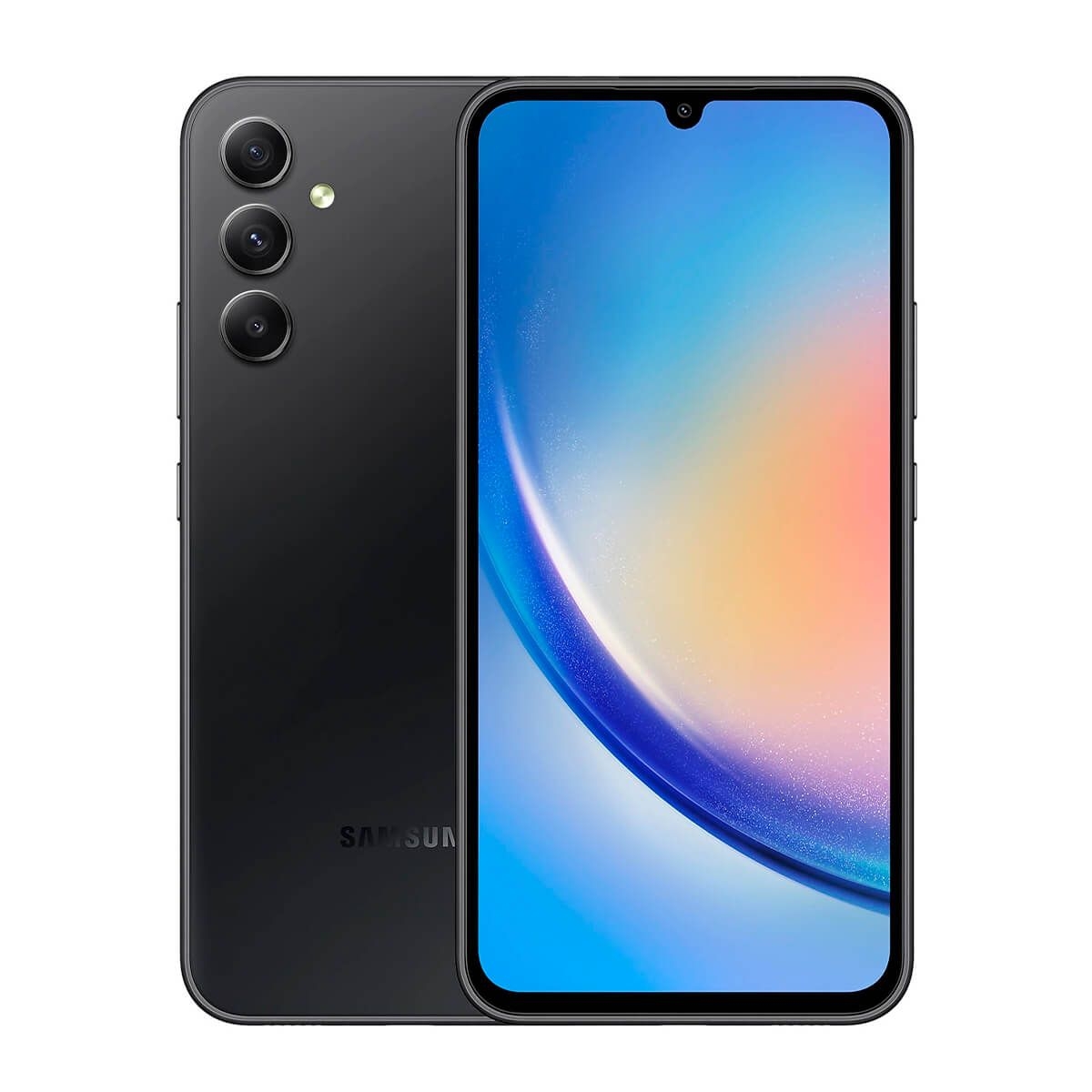
Samsung galaxy note 7 takes center stage in the narrative of innovation and controversy in the smartphone world. Launched in August 2016, it promised cutting-edge features and a premium user experience, targeting tech enthusiasts and professionals alike. However, it soon became infamous for its battery issues, overshadowing its impressive specifications and advanced S Pen capabilities.
With its vibrant display, powerful processor, and water resistance, the Samsung Galaxy Note 7 initially attracted significant market attention and received praise from consumers. Yet, as reports of overheating and battery explosions surfaced, the excitement quickly turned to concern, leading to a historic recall that would forever change Samsung’s reputation and impact the smartphone industry.
Overview of Samsung Galaxy Note 7
The Samsung Galaxy Note 7, released on August 19, 2016, marked a significant addition to Samsung’s popular Note series, targeting tech-savvy consumers and professionals seeking a powerful smartphone experience combined with productivity features. The device was positioned as a premium offering, building on the success of its predecessors while introducing an array of innovations designed to enhance user experience.
One of the most notable features that distinguished the Galaxy Note 7 from previous models was its stunning edge display, which provided an immersive viewing experience and allowed for enhanced functionality. The device featured a 5.7-inch Super AMOLED display with a resolution of 1440 x 2560 pixels, delivering vibrant colors and sharp images. Additionally, the Galaxy Note 7 was equipped with the S Pen, which received updates for improved usability, including enhanced sensitivity and new software features that catered to creative professionals. Other key specifications included a robust Snapdragon 820 processor, 4GB of RAM, and up to 256GB of internal storage, which could be expanded via microSD.
Market Reception and Initial Feedback
Upon its launch, the Samsung Galaxy Note 7 received widespread acclaim from both consumers and critics, highlighting its advanced features and sleek design. Reviewers praised the phone for its performance and display quality, noting that it was one of the most powerful smartphones available at the time.
The device’s unique characteristics contributed to its positive reception, including:
- Innovative S Pen Features: The enhancements to the S Pen, such as the ability to write on the screen without unlocking the phone and improved note-taking capabilities, were particularly well-received.
- Water and Dust Resistance: The IP68 rating allowed users to take the Note 7 into various environments without worry, adding to its practicality.
- Improved Battery Life: The 3,500 mAh battery supported fast charging, which was a significant improvement over the previous models.
However, the initial success of the Galaxy Note 7 was soon overshadowed by serious safety concerns related to the device’s battery. Reports of battery overheating and fires led to a global recall shortly after launch, impacting consumer trust and sales. Although the company implemented corrective measures, the incident ultimately resulted in the discontinuation of the Note 7, marking a significant chapter in Samsung’s smartphone history.
“The Galaxy Note 7 represented the pinnacle of smartphone technology in 2016, combining cutting-edge features with a focus on productivity and creativity.”
Technical Specifications and Features: Samsung Galaxy Note 7
The Samsung Galaxy Note 7 stands as a flagship device that combines powerful performance with innovative features. Launched in 2016, it introduced several enhancements over its predecessors, particularly in terms of display and functionality that appealed to tech enthusiasts and professionals alike.
Equipped with high-end specifications, the Galaxy Note 7 features a stunning display and robust performance capabilities. The device is powered by a sophisticated processor that ensures seamless multitasking and efficient battery management. Below are the key technical specifications that define the Note 7:
Key Technical Specifications
The advanced specifications of the Galaxy Note 7 are crucial in understanding its performance capabilities and user experience. This section highlights the essential attributes that make the Note 7 a standout device.
- Display: The Galaxy Note 7 features a 5.7-inch Quad HD Super AMOLED display with a resolution of 1440 x 2560 pixels, providing vibrant colors and deep blacks for an immersive viewing experience.
- Processor: It is powered by the Exynos 8890 (international) or Snapdragon 820 (USA) processor, enabling smooth performance with a clock speed of up to 2.15 GHz.
- RAM: The device is equipped with 4 GB of RAM, allowing users to run multiple applications simultaneously without experiencing lag.
- Storage: It offers 64 GB of internal storage, expandable via a microSD card slot, accommodating various multimedia and application needs.
- Battery Life: The Note 7 houses a 3,500 mAh battery, supporting fast charging and wireless charging, which provides all-day battery life under regular usage conditions.
- Operating System: Initially running on Android 6.0 Marshmallow, it was later upgraded to Android 7.0 Nougat, enhancing its overall performance and security features.
Innovative Features
The Samsung Galaxy Note 7 includes several innovative features that enhance its usability and appeal. These features not only improve functionality but also provide users with unique experiences that set the device apart from competitors.
- S Pen Functionality: The S Pen stylus, a hallmark of the Note series, offers precise input for drawing, note-taking, and navigation. It includes features like Air Command, which allows users to access shortcuts quickly, and Screen Off Memo, enabling jotting down notes without unlocking the device.
- Water Resistance: The Note 7 comes with an IP68 rating, making it resistant to dust and capable of withstanding submersion in water for up to 30 minutes at a depth of 1.5 meters. This feature ensures durability and reliability in various environments.
- Secure Folder: The device includes a Secure Folder feature that allows users to store sensitive data, applications, and files in a protected space, enhancing privacy and security.
- Always On Display: This feature allows users to view notifications, time, and calendar events without fully waking the screen, saving battery life while keeping important information accessible.
Comparison with Other Flagship Phones
To further appreciate the capabilities of the Samsung Galaxy Note 7, a comparison with other flagship phones released around the same time reveals its competitive edge and unique offerings. The following table highlights the key features of the Note 7 alongside notable competitors.
| Feature | Samsung Galaxy Note 7 | Apple iPhone 7 Plus | Google Pixel XL |
|---|---|---|---|
| Display | 5.7-inch Quad HD Super AMOLED | 5.5-inch Full HD Retina | 5.5-inch Quad HD AMOLED |
| Processor | Exynos 8890 / Snapdragon 820 | Apple A10 Fusion | Snapdragon 821 |
| RAM | 4 GB | 3 GB | 4 GB |
| Storage | 64 GB (expandable) | 32/128/256 GB (non-expandable) | 32/128 GB (non-expandable) |
| Battery Capacity | 3,500 mAh | 2,900 mAh | 3,450 mAh |
| Water Resistance | IP68 | IP67 | IP53 |
The Battery Incident and Recall
The Samsung Galaxy Note 7 was anticipated as a groundbreaking device, but its launch was marred by significant battery issues that culminated in a global recall. These battery incidents not only disrupted the sales momentum of the phone but also raised concerns regarding safety and reliability within the tech industry.
The battery problems first emerged when reports surfaced of Galaxy Note 7 devices overheating and, in some instances, catching fire. This situation prompted Samsung to initiate a recall, aiming to protect consumers and address the manufacturing flaws. Samsung’s dedicated response included several steps to rectify the situation and restore user confidence in its products.
Timeline of Events
To better understand the sequence of events leading to the Galaxy Note 7 recall, here is a detailed timeline illustrating the key moments from the initial announcement to the resolution of the issue:
- August 2, 2016: Samsung officially announces the Galaxy Note 7, receiving positive reviews for its design and features.
- September 1, 2016: Reports of battery overheating emerge, leading Samsung to confirm a voluntary recall of affected devices.
- September 15, 2016: Samsung announces a replacement program for affected devices, urging consumers to return their Note 7s for a safe, new device.
- October 10, 2016: Consumers report incidents of replacement devices also overheating, prompting Samsung to halt all sales of the Galaxy Note 7.
- October 13, 2016: Samsung officially recalls all Galaxy Note 7 devices, advising consumers to power down their devices and return them.
- November 2016: Samsung announces compensation for consumers who returned their devices, aiming to rebuild trust after the incident.
- March 2017: Samsung completes the recall process, reporting that approximately 96% of sold devices were returned.
- January 2018: Samsung publishes a detailed report on the findings of the battery issues, outlining the causes and corrective measures implemented.
Samsung’s comprehensive approach to resolving the battery problems included strengthening its quality assurance processes and implementing an extensive battery safety check system. The company undertook measures to ensure consumer safety and regain public trust, demonstrating a commitment to learning from its mistakes and preventing similar issues in the future.
“The Galaxy Note 7 incident was a critical turning point for Samsung, prompting a reassessment of their product safety protocols.”
Legacy and Impact on the Smartphone Industry
The Samsung Galaxy Note 7 incident marked a significant turning point not only for Samsung as a brand but also for the entire smartphone industry. The fallout from the battery issues raised critical questions about product safety and corporate responsibility, prompting a reevaluation of standards within the tech sector. The repercussions of this event continue to shape how manufacturers approach design, safety, and consumer trust.
The Note 7’s battery debacle had profound effects on Samsung’s reputation and future products. Following the recall, Samsung implemented a more stringent quality assurance protocol, emphasizing safety in its product development processes. This commitment to improvement was evident in subsequent releases, such as the Galaxy S8 and Galaxy Note 8, which featured robust battery management systems and rigorous testing procedures. As a direct response to the incident, Samsung also established the “Galaxy Note 7 Battery Advisory Group,” comprising external experts to oversee battery safety and technology, demonstrating a proactive approach to restore consumer confidence.
Influence on Smartphone Safety Regulations, Samsung galaxy note 7
The Galaxy Note 7 incident catalyzed changes in safety regulations across the smartphone industry. Regulatory bodies and manufacturers reassessed their guidelines to ensure stricter compliance with safety standards. This led to the introduction of enhanced testing and certification processes for lithium-ion batteries, which are now subjected to more rigorous evaluations before launch. The following impacts were particularly noteworthy:
- Global batteries must pass standardized tests for temperature, pressure, and short-circuiting.
- Manufacturers are now required to submit detailed safety reports to regulatory agencies before product releases.
- Increased collaboration among industry players to develop a unified set of safety standards to prevent similar incidents.
These changes reflect a broader push within the technology sector to prioritize consumer safety and mitigate risks associated with battery technology. Consequently, consumers now benefit from enhanced product safety assurances, which were less emphasized prior to the Note 7 crisis.
Consumer Trust and Brand Loyalty
The fallout from the Galaxy Note 7 incident had a substantial impact on consumer trust and brand loyalty towards Samsung. Initially, the crisis led to a significant decline in customer confidence, as many users felt betrayed by a brand they had once trusted. However, Samsung’s response to the crisis played a crucial role in reshaping public perception. The company’s transparent communication during the recall process and its commitment to rectifying the issues were pivotal in slowly rebuilding consumer trust.
To illustrate this shift in consumer sentiment, a survey conducted shortly after the recall found that while 70% of respondents expressed concerns over Samsung’s safety measures, 60% indicated they would consider purchasing future Samsung devices if they perceived improvements. The steps taken by Samsung to enhance product safety and quality assurance have since resulted in a gradual resurgence in brand loyalty among former customers.
“Trust is built on transparency and accountability; Samsung’s approach post-Note 7 laid the groundwork for a second chance.”
Ultimately, the Galaxy Note 7 incident serves as a case study in crisis management, revealing how a brand can recover from significant setbacks through dedication to improvement, transparency, and consumer engagement.
Essential Questionnaire
What were the main features of the Samsung Galaxy Note 7?
The Samsung Galaxy Note 7 featured a 5.7-inch Super AMOLED display, Snapdragon 820 processor, 4GB RAM, 64GB storage, and an innovative S Pen.
When was the Samsung Galaxy Note 7 released?
The Samsung Galaxy Note 7 was officially released on August 19, 2016.
What led to the recall of the Samsung Galaxy Note 7?
The recall was initiated due to reports of battery defects that caused devices to overheat and catch fire.
How did Samsung respond to the Galaxy Note 7 crisis?
Samsung issued a recall, replaced defective devices, and implemented stricter quality control measures to restore consumer trust.
What impact did the Galaxy Note 7 incident have on smartphone safety?
The incident prompted stricter safety regulations and manufacturing practices across the smartphone industry to prevent similar issues.
The Samsung Galaxy Note 7 made headlines due to its innovative features and controversial battery issues. Despite its short lifespan, it showcased Samsung’s commitment to advanced technology, offering users a unique stylus experience and high-end specifications. This device remains a significant part of smartphone history, illustrating the challenges of balancing innovation with safety.
Introduced as a game changer, the Samsung Galaxy S II set a new standard in the smartphone market. With its sleek design and powerful performance, it quickly gained popularity, making it one of the most sought-after devices of its time. The S II’s success paved the way for future Samsung models, proving the brand’s capability to innovate and lead in the tech industry.