samsung galaxy s ii stands as a landmark in mobile technology, captivating users with its blend of innovation and style. This device redefined the smartphone experience, introducing features that not only enhanced everyday usability but also set the stage for future devices. With its sleek design and powerful performance metrics, the Samsung Galaxy S II invites a closer look at what made it a game changer in its era.
From its impressive specifications to its user-centric software updates, the Galaxy S II offers a delightful experience that resonates even today. Delving into its capabilities reveals a device that was ahead of its time, showcasing superior camera features, robust gaming performance, and an interface that thrived on usability.
Overview of Samsung Galaxy S II
The Samsung Galaxy S II stands as a significant milestone in Samsung’s smartphone lineage, blending cutting-edge technology with sleek design. Released in 2011, this device pushed boundaries with its advanced features, making it one of the most sought-after smartphones of its time. Its lightweight construction and high-performance specifications set it apart from competitors, ensuring a place for it in the annals of mobile history.
The Galaxy S II is powered by a dual-core 1.2 GHz processor, paired with 1 GB of RAM, making it capable of handling multitasking and demanding applications with ease. It boasts a 4.3-inch Super AMOLED Plus display, offering vibrant colors and deep blacks, enhancing the overall visual experience. The device supports a resolution of 800 x 480 pixels, providing clarity and sharpness that was impressive for its era. Furthermore, the 8 MP rear camera, supported by features like LED flash and autofocus, captures stunning images, while the front-facing camera caters to video calls. The device runs on Android 2.3 (Gingerbread) out of the box, with the capability to upgrade to later versions, showcasing Samsung’s commitment to software support.
Comparative Analysis with Predecessor and Successor Models
The Samsung Galaxy S II is a notable upgrade from its predecessor, the Galaxy S, which featured a single-core processor and a smaller 4-inch display. The enhancements in processing power and display technology mark a substantial leap forward. In comparison to the Galaxy S III, released a year later, the S II retained many of its signature attributes but lacked certain advancements such as a higher resolution screen and improved camera capabilities. The S III introduced features like Smart Stay and S Voice, while the S II was primarily focused on delivering a robust performance and an exceptional user interface.
Comparison highlights include:
- Processor: The Galaxy S II’s dual-core processor provided a noticeable performance increase over the single-core Galaxy S, while the Galaxy S III further improved upon this with a quad-core option.
- Display: The S II’s 4.3-inch Super AMOLED Plus display offered a richer viewing experience compared to the Galaxy S, with the S III enhancing this further with a larger and sharper 4.8-inch display.
- Camera: The S II’s 8 MP camera was superior to the Galaxy S’s 5 MP, but the S III’s 8 MP camera integrated more advanced features like improved low-light performance and HDR capabilities.
Design and Build Quality
The design of the Samsung Galaxy S II epitomizes modern elegance, featuring a slim profile that measures just 8.49 mm in thickness. Its lightweight construction, weighing approximately 116 grams, made it one of the most portable devices available at launch. The use of plastic in the build provides durability, though it may not convey the premium feel associated with metal or glass constructions seen in contemporary models.
The device is characterized by clean lines and a minimalist aesthetic, with a glossy finish that enhances its visual appeal. The placement of the physical home button beneath the display, flanked by capacitive touch buttons, reflects Samsung’s design philosophy that prioritizes functionality without overwhelming the user interface.
The back cover is removable, allowing access to the battery and SIM card slot. This feature not only enables users to replace the battery easily but also introduces expandable storage via a microSD card slot—a significant advantage in an era of limited internal storage options.
“Samsung Galaxy S II redefined the smartphone experience in its time, setting a benchmark for performance and design.”
Performance and User Experience
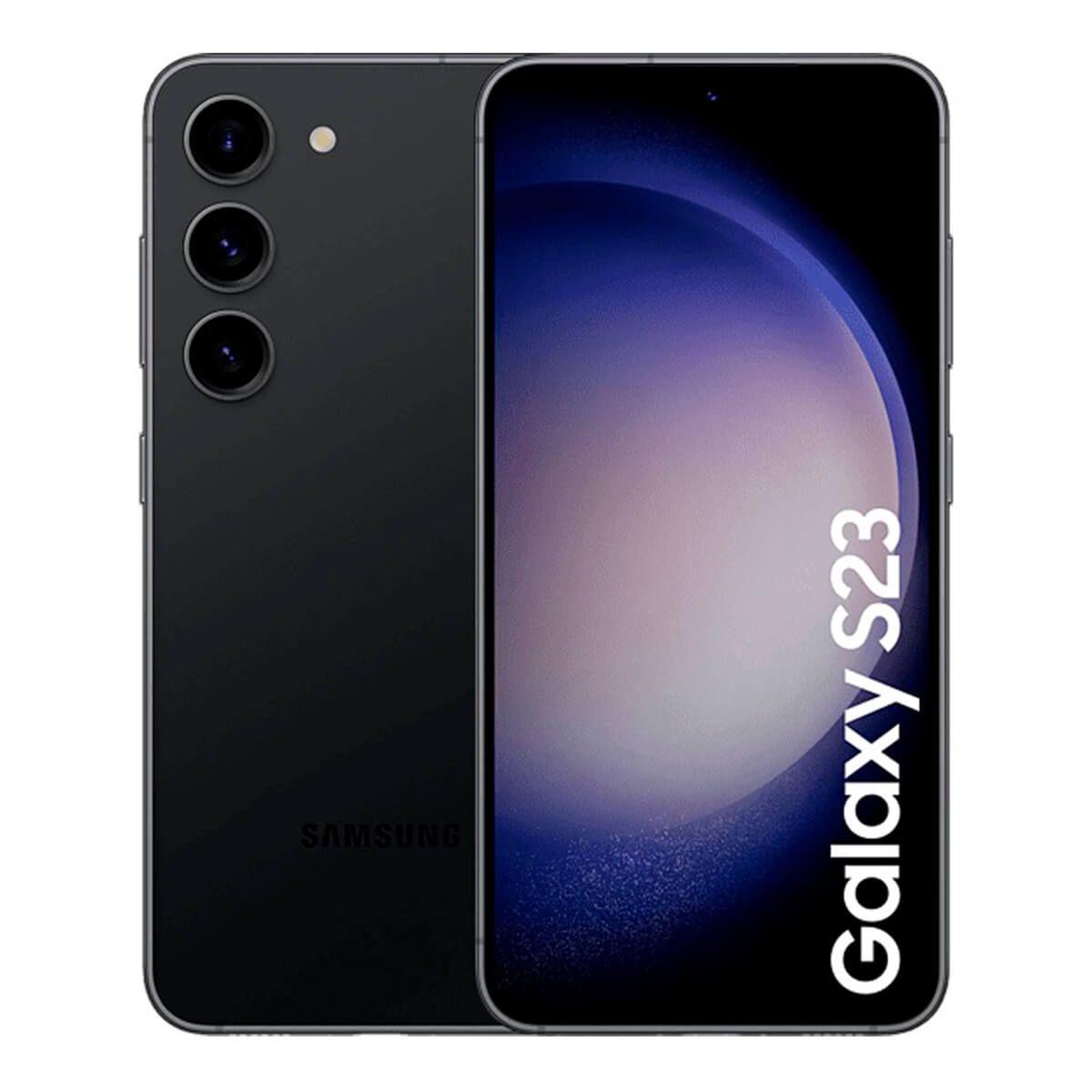
The Samsung Galaxy S II stands as a testament to mobile technology advancements, delivering impressive performance and a user-friendly experience. With its robust hardware and refined software, it caters to a variety of user needs, from casual browsing to intensive gaming, ensuring satisfaction across the board.
The performance metrics of the Galaxy S II are noteworthy, especially when considering its dual-core processor, which significantly enhances multitasking capabilities and overall speed. Users report swift transitions between applications, smooth video playback, and a responsive interface. The device is equipped with 1GB of RAM, which allows for efficient management of multiple applications simultaneously without noticeable lag. The Adreno 220 GPU further elevates the device’s graphical performance, making it a strong contender in the smartphone market at the time of its release.
Battery Life and Software Performance
Battery performance is a critical aspect of any mobile device, and the Galaxy S II excels in this area. Featuring a 1650mAh battery, it provides substantial longevity that typically lasts a full day under regular use. User experiences indicate that it can endure extended video streaming sessions and heavy application usage without requiring frequent recharges. The implementation of power-saving modes and efficient software integration contributes to its impressive battery management.
Software performance has also received positive reviews, particularly with the device’s original Android version and subsequent updates. The TouchWiz user interface is noted for its intuitive layout and customizable features, enhancing user engagement. Users appreciate the fluidity of navigation, which is complemented by the device’s high-resolution screen that delivers vibrant visuals.
Gaming Capabilities and Compatibility
The Galaxy S II is well-regarded for its gaming capabilities, handling popular titles with ease. Its powerful hardware allows for smooth gameplay in various genres, from casual games to more demanding 3D titles.
Several popular games that showcase the device’s gaming prowess include:
- Angry Birds Space: This casual puzzle game runs seamlessly, allowing players to enjoy smooth animations and engaging graphics.
- Asphalt 7: Heat: A high-octane racing game that benefits from the device’s graphics capabilities, providing a visually stunning experience.
- Shadowgun: This action-packed shooter demonstrates the device’s ability to handle complex graphics and fast-paced gameplay without significant slowdowns.
The combination of a responsive touchscreen and high-resolution display enhances the gaming experience, allowing for precise controls and immersive visuals. The device’s performance in gaming, coupled with its compatibility with a wide range of applications, makes it a favorable choice for gaming enthusiasts looking for a reliable smartphone experience.
Camera Capabilities: Samsung Galaxy S Ii
The Samsung Galaxy S II features an impressive camera setup that has set a high standard for smartphones during its release. With a focus on clarity and versatility, the camera capabilities of the Galaxy S II cater to both casual users and photography enthusiasts. This smartphone combines advanced technology with user-friendly features, making it a formidable tool for capturing memorable moments.
The Galaxy S II is equipped with an 8-megapixel rear camera and a 2-megapixel front-facing camera. The primary camera boasts features such as autofocus, LED flash, and the ability to capture images in various resolutions. Additionally, the camera supports various shooting modes, including panorama and smile detection, enhancing the overall user experience.
Photo Quality in Different Lighting Conditions
Understanding the photo quality in varied lighting scenarios is crucial for evaluating the camera’s performance. The Galaxy S II excels in well-lit environments, producing sharp images with vibrant colors and excellent detail retention. However, in low-light conditions, the performance can vary.
In low-light situations, the camera’s LED flash assists in illuminating subjects but may sometimes result in overexposed highlights or reduced detail in shadows. To demonstrate the capability of the camera, consider these comparisons:
- Daylight Photography: In bright sunlight, images maintain excellent clarity, showcasing rich colors and minimal noise.
- Indoor Lighting: Under artificial light, the camera does well; however, some images may exhibit slight graininess depending on the lighting’s intensity.
- Low-Light Scenarios: While the flash provides crucial light, the absence of it can lead to softer images with reduced detail.
Video Recording Capabilities, Samsung galaxy s ii
The Galaxy S II also offers robust video recording features, enabling users to capture memorable moments in motion. It supports full HD 1080p video recording, ensuring that videos are crisp and clear, which is particularly beneficial for action shots or events.
Users can select from various video settings to adjust the frame rate and resolution according to their needs. The inclusion of features like continuous autofocus during recording enhances the quality of dynamic scenes.
The smartphone’s video capabilities can be summed up with the following points:
- Resolution Options: Users can record in 1080p for high-definition videos or choose lower resolutions to save storage space.
- Frame Rates: The camera can capture videos at 30 frames per second, delivering smooth playback.
- Audio Recording: The built-in microphone records audio clearly, providing a comprehensive audio-visual experience.
The Samsung Galaxy S II’s camera capabilities, including both photography and videography, make it a well-rounded choice for users seeking quality without compromising on advanced features. Its ability to adapt to different lighting conditions and offer various recording options solidifies its position as a noteworthy device in its category.
Software and Updates
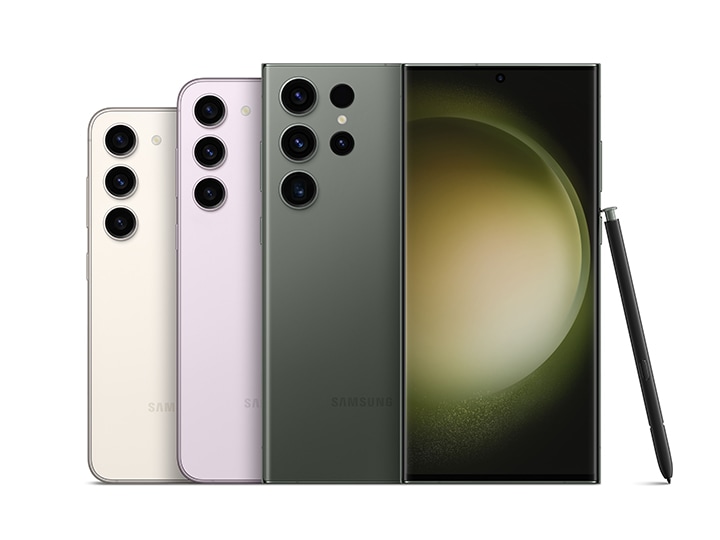
The Samsung Galaxy S II originally launched with Android 2.3 Gingerbread, marking a significant evolution in mobile technology at the time. Its software experience is characterized by Samsung’s TouchWiz user interface, which enhances functionality and introduces a range of custom features designed to improve user interaction and accessibility. Over the years, the Galaxy S II has received various updates that have expanded its capabilities and optimized performance, providing users with a continually evolving software environment.
Operating System and Interface
The Galaxy S II features a heavily customized version of Android that leverages TouchWiz, giving it a distinctive look and feel. The interface includes customizable home screens, widgets, and an app drawer that allows users to organize their applications as per their preference. Samsung’s innovations like Smart Stay, which uses the front camera to detect whether a user is looking at the screen, enhance usability, especially for reading and browsing purposes. Additionally, the device supports multitasking, allowing apps to run in the background, which improves the overall efficiency of the system.
Available Software Updates
The performance impact of software updates on the Galaxy S II has been significant, particularly with the transition from Gingerbread to later versions like Android 4.1 Jelly Bean. These updates not only introduced new features such as improved notifications and enhanced Google Now integration but also optimized system performance and security. Users have reported smoother operation and faster response times after updates, underscoring the importance of keeping the software current.
Popular Apps Enhancing User Experience
To maximize the utility of the Galaxy S II, users can explore a variety of applications that complement its hardware capabilities. The following list highlights some popular apps that have been well-received by the Galaxy S II community:
- WhatsApp: A vital messaging app that enables users to stay connected through text, voice, and video calls.
- Spotify: A music streaming service that allows for unlimited music listening, tailored playlists, and offline capabilities.
- Snapseed: A powerful photo-editing app that unlocks advanced editing tools, enhancing the already impressive camera capabilities.
- Evernote: A note-taking app that helps organize thoughts, ideas, and important documents, enhancing productivity on the go.
- Google Maps: Offering navigation and location services, this app is essential for users needing reliable directions and local information.
These applications not only enhance the functionality of the Samsung Galaxy S II but also highlight the device’s capacity to adapt to various user needs, making it a versatile tool for everyday tasks.
Query Resolution
What was the release date of the samsung galaxy s ii?
The samsung galaxy s ii was officially released in April 2011.
What operating system does the samsung galaxy s ii run?
Originally, the samsung galaxy s ii ran on Android 2.3 Gingerbread, but it is upgradable to Android 4.1.2 Jelly Bean.
Can the samsung galaxy s ii run modern apps?
While it can run some modern apps, its performance may be limited due to outdated hardware.
What are the connectivity options available on the samsung galaxy s ii?
The samsung galaxy s ii features Bluetooth, Wi-Fi, and 3G connectivity options.
How does the camera perform in low light?
The camera on the samsung galaxy s ii performs adequately in low light but may struggle with noise and clarity compared to modern devices.
The Galaxy S 6 has marked its place in the smartphone arena with its sleek design and powerful performance. It revolutionizes user experience with features that cater to both casual users and tech enthusiasts. With its stunning camera capabilities and vibrant display, it remains a popular choice even years after its release, showing that good design and functionality never go out of style.
In the competitive smartphone market, it’s crucial to keep an eye on the latest deals, such as the exciting promotion iphone that can provide significant savings. These promotions often include discounts on newer models or deals on accessories, making it easier for consumers to upgrade their devices without breaking the bank. Stay informed to take advantage of the best offers available!